





Key Factors to Consider When Selecting a Bioprocess 2D Bag
1.What Are Bioprocess 2D Bags?
Bioprocess 2D bags are an essential part of modern bioprocess manufacturing, providing a simple and reliable way to store, transfer, and handle critical process fluids. These single-use bags feature a flat, flexible design that makes them ideal for storing media, buffers, intermediates, and final product solutions throughout various stages of production.
Unlike traditional stainless-steel vessels that require extensive cleaning and validation, 2D bioprocess bags arrive ready to use, helping manufacturers save time, reduce operational costs, and minimize the risk of cross-contamination. Made from advanced multilayer films designed for strength, flexibility, and product compatibility, these bags support a wide range of applications in biotechnology, vaccine production, and cell and gene therapy.
As the industry continues to embrace single-use technologies, 2D bioprocess bags have become a trusted solution for improving efficiency, maintaining sterility, and providing the flexibility needed in today's fast-paced bioprocessing environment.
2.Common factor while choosing bioprocess bag?
a. Film Material & Compatibility
The performance of a bioprocess 2D bag largely depends on the film material used in its construction. Most bioprocess bags are made from multilayer films that combine different materials to provide strength, flexibility, chemical resistance, and protection for sensitive biopharmaceutical products. Among the various materials available, Polyethylene (PE) and Ethylene Vinyl Acetate (EVA) are two of the most used in the industry.
Polyethylene (PE)
Polyethylene is one of the most widely used materials in single-use bioprocessing systems. It is valued for its excellent chemical compatibility, low extractables profile, and strong sealing properties. PE films are often used as the fluid-contact layer because they are compatible with a wide range of media, buffers, and biologic products. Depending on the application, manufacturers may use different types of polyethylene, such as Low-Density Polyethylene (LDPE), Linear Low-Density Polyethylene (LLDPE), or Ultra-Low-Density Polyethylene (ULDPE), each offering varying levels of flexibility and durability. PE-based films are commonly selected for fluid storage and transfer applications where product safety and reliability are critical.
Ethylene Vinyl Acetate (EVA)
Ethylene Vinyl Acetate, or EVA, is another popular material used in bioprocess bags, particularly in applications that require enhanced flexibility and low-temperature performance. EVA remains soft and pliable even under cold storage conditions, making it well-suited for applications such as frozen media, buffer storage, and freeze-thaw processes. Its flexibility also helps reduce stress on welds and tubing connections during handling. In addition, EVA offers good transparency, allowing operators to easily monitor fluid levels and inspect bag contents during use.

Why choose PE bags vs EVA bags?
Both PE and EVA have proven track records in biopharmaceutical manufacturing, but each material offers unique advantages depending on the application. PE-based bioprocess bags are often constructed using multilayer films that incorporate an EVOH (Ethylene Vinyl Alcohol) barrier layer. This structure provides excellent oxygen and carbon dioxide barrier properties, helping maintain the stability of sensitive media, buffers, and biologic products during storage. PE-based films are also known for their low extractables profile and broad chemical compatibility. However, films containing EVOH can become less flexible at very low temperatures, making them less suitable for certain freeze-thaw applications.
EVA, on the other hand, offers superior flexibility and remains pliable at lower temperatures, making it a preferred choice for frozen storage and freeze-thaw processes. While EVA provides excellent durability and cold-temperature performance, it generally does not offer the same level of oxygen and carbon dioxide barrier protection as PE films utilizing EVOH barrier technology. As a result, the selection between PE and EVA often depends on whether gas barrier performance or low-temperature flexibility is the primary process requirement.
b. Regulatory Requirements
Bioprocess 2D bags must meet strict quality, safety, and regulatory standards because they come into direct contact with critical process fluids. Customers typically evaluate material biocompatibility, sterility assurance, extractables and leachables (E&L) data, manufacturing quality systems, and supporting documentation before selecting a supplier.
Bag materials are commonly tested to standards such as USP <88>, USP <87>, and ISO 10993 to demonstrate biocompatibility. The bags are usually supplied sterile and gamma irradiated, with validation supporting a Sterility Assurance Level (SAL) of 10⁻⁶.
Manufacturers also expect bags to be produced in controlled environments under certified quality systems, with full traceability and change control processes. Supporting documents such as Certificates of Analysis, Certificates of Conformance, irradiation certificates, compliance statements, and E&L reports are often required for qualifications.
c. Bag Strength & reliability
Bioprocess 2D bags are often used to store and transfer valuable media, buffers, intermediates, and drug products throughout the manufacturing process. Because these fluids can represent significant time, cost, and resources, the physical strength and reliability of the bag are critical to preventing product loss, contamination, and process interruptions.
One of the most important performance characteristics is seal integrity. Every port, tubing connection, and bag seam must maintain a leak-free barrier throughout filling, storage, transportation, and dispensing. A compromised seal can result in contamination, product loss, or the loss of a sterile processing environment.
Puncture resistance is another key consideration, particularly during handling and transportation. Bags may come into contact with equipment, racks, connectors, or other assemblies, making it essential that the film can withstand accidental impacts and abrasion without tearing or puncturing.
Weld strength is equally important because welded seams are often subjected to stress as the bag fills, expands, and is moved throughout the facility. Strong, validated welds help ensure the bag can safely support the weight of the contained fluid without seam failure.
In addition to film and weld performance, bag design features such as integrated handles can significantly improve usability. Handles allow operators to lift, carry, and position filled bags more safely and efficiently, reducing strain during handling and minimizing the risk of accidental drops or damage. For larger volume applications, ergonomic handling features can improve workflow efficiency while providing additional confidence when transporting valuable process fluids.
Together, seal integrity, puncture resistance, weld strength, and user-friendly handling features contribute to the overall reliability of a bioprocess 2D bag, helping manufacturers protect their products, maintain sterility, and ensure smooth operation throughout the bioprocessing workflow.
d. Customization & Configuration Options
One of the key advantages of bioprocess 2D bags is their ability to be customized to meet specific process requirements. While film selection and bag size are important, customers often place significant emphasis on port configuration, as it directly impacts fluid transfer, sampling, filling, and dispensing operations.
A common customization option is the choice between edge ports and face ports.
Edge ports are located along the perimeter of the bag and are commonly used for fluid transfer, filling, and draining applications. Their location allows tubing to exit from the side of the bag, making them well-suited for hanging applications and installations where tubing management is important.
Face ports are positioned directly on the front or back surface of the bag. These ports can provide greater flexibility for integrating dip tubes, sampling lines, filters, and specialized fluid management systems. Face ports are often preferred when multiple process connections are required or when specific fluid flow paths need to be maintained within the bag.
Number of Ports
The number of ports required varies depending on the application. Simple storage bags may only require one or two ports for filling and dispensing, while more complex assemblies may incorporate multiple ports for fluid transfer, venting, sampling, sensor integration, or filter connections.
e. Supply Chain Reliability
While film quality, validation data, and bag performance are critical considerations, supply chain reliability has become an increasingly important factor when selecting a bioprocess 2D bag supplier. In bioprocess manufacturing, production schedules are often tightly planned, and delays in receiving critical single-use components can lead to costly disruptions, missed milestones, and reduced manufacturing capacity.
One of the most important considerations is lead time. Manufacturers rely on consistent and predictable delivery schedules to support ongoing operations. Extended lead times can delay process development, clinical manufacturing, and commercial production, making it essential to partner with suppliers that maintain adequate inventory, manufacturing capacity, and supply chain resilience.
Recent global events have further highlighted the importance of supply chain stability. International trade policies and tariffs can increase material costs and create uncertainty in sourcing strategies, particularly for components manufactured overseas. In addition, geopolitical conflicts and regional instability have impacted transportation networks, shipping routes, and the availability of raw materials, resulting in longer delivery times and increased supply chain risk.
As a result, customers today often evaluate not only the quality of a bioprocess 2D bag but also the supplier's ability to provide consistent product availability, reliable lead times, responsive customer support, and a robust global supply network. A dependable supply chain helps reduce operational risk, improve production planning, and ensure critical therapies reach patients without interruption.

3.Common Applications for Bioprocess 2D Bags
Bioprocess 2D bags are widely used in biopharmaceutical manufacturing for the sterile storage and transfer of process fluids. Common applications include:
Media storage for cell culture processes
Buffer storage and preparation
Fluid transfer between process steps in closed systems
Intermediate storage during downstream processing
Sampling for testing and analysis
Cell and gene therapy manufacturing
Freeze-thaw storage of biologics, media, and buffers
Their flexibility, sterility, and single-use design make 2D bags an essential component of modern bioprocessing operations.
4.How Foxx Life Sciences Can Help
Selecting the right bioprocess 2D bag supplier requires more than just choosing a bag—it requires partnering with a manufacturer that can deliver quality, customization, reliability, and technical support. Foxx Life Sciences offers a comprehensive portfolio of single-use bioprocess bags designed to meet the diverse needs of biopharmaceutical manufacturers.
Premium and Economy Bag Platforms
Foxx offers two bioprocess bag platforms to support different application and budget requirements:
EZBio® Ultra Bags – Premium bioprocess bags manufactured in the USA using Renolit 9101 multilayer polyethylene film.
EZBio® Paragon Bags – High-quality, cost-effective bioprocess bags manufactured in India using the same proven 9101 film platform.
Both product families are designed for sterile fluid storage and transfer applications while providing excellent durability, low gas permeability, and compliance with industry biocompatibility standards.
Reliable Supply Chain and Fast Lead Times
In today's uncertain global supply environment, supply chain reliability is critical. Foxx maintains raw bag inventory and internal manufacturing capabilities to support rapid customization and assembly. Standard and customized bag assemblies typically ship within 4–6 weeks, helping customers reduce lead times and maintain production schedules.
With manufacturing operations in both the United States and India, Foxx provides customers with supply chain flexibility and reduced dependence on a single manufacturing region.
Extensive Customization Capabilities
Every process is different, which is why Foxx offers more than 40,000+ possible SKU configurations across its bioprocess bag portfolio. Customers can customize:
Bag volumes
Edge port and face port configurations
Number and placement of ports
Tubing sizes and lengths
Filling needles
Sterile filters
Aseptic connectors
Sampling assemblies
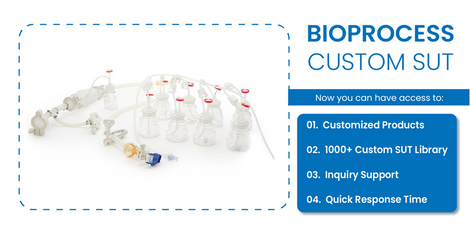
Custom fluid path designs
Whether the application requires a simple storage bag or a fully integrated single-use assembly, Foxx can develop a solution tailored to specific process requirements.
Multiple Film Options and In-House Bag Manufacturing
Foxx operates its own bag manufacturing equipment, allowing the company to produce bags using a variety of film materials when customer applications require alternative film technologies. This flexibility enables customers to select the film that best meets their performance, barrier, and temperature requirements.
Quality and Regulatory Support
Foxx bioprocess bags are manufactured using materials tested to recognized industry standards, including ISO 10993 and USP biocompatibility requirements, and are compatible with gamma sterilization processes.
Supporting documentation can be provided to assist customers with qualification, validation, and regulatory submissions.
Cleanroom Manufacturing Expertise
Foxx operates seven cleanrooms dedicated to the manufacturing and assembly of single-use systems. These facilities support the production of customized bag assemblies while helping maintain the quality and sterility expected in biopharmaceutical manufacturing environments.
By combining cleanroom manufacturing, extensive customization capabilities, flexible film options, and reliable lead times, Foxx helps customers implement single-use solutions that fit seamlessly into their processes while reducing qualification and supply chain challenges.
Whether you need a standard 2D bag, a customized fluid management assembly, or a fully integrated single-use system, Foxx Life Sciences has the expertise and manufacturing capabilities to support your application.

Conclusion
Bioprocess 2D bags have become an essential component of modern single-use manufacturing, providing a flexible, sterile, and efficient solution for the storage, transfer, and handling of critical process fluids. From media and buffer storage to fluid transfer, sampling, and cell and gene therapy applications, these bags play a vital role throughout the bioprocessing workflow.
When selecting a bioprocess 2D bag, manufacturers must consider several key factors, including film material, extractables and leachable data, regulatory compliance, bag strength, customization options, and supply chain reliability. The right bag not only protects valuable products and maintains sterility but also helps improve operational efficiency and reduce manufacturing risks.
At Foxx Life Sciences, we understand that no two processes are exactly alike. That's why we offer both premium EZBio® Ultra Bags manufactured in the USA and cost-effective EZBio® Paragon Bags manufactured in India, along with extensive customization capabilities, flexible film options, cleanroom manufacturing, and rapid assembly lead times. With over 40,000 possible configurations and expertise in custom single-use assemblies, Foxx helps biopharmaceutical manufacturers develop solutions tailored to their unique process requirements.
Whether you are looking for a standard storage bag or a fully customized single-use system, Foxx Life Sciences is committed to delivering the quality, flexibility, and reliability needed to support today's evolving bioprocessing industry.